









Swimming, diving and prescription eyewear: what to do when you can't wear your glasses in the water
Beach weekends and pool days come with one unavoidable problem if you need correction to see clearly: your regular glasses cannot go in the water with you. Between resort pools, island hopping, and the occasional dive trip, this comes up constantly in the Philippines, and there are a few honest, practical ways to handle it.
Why your regular glasses are not the answer
Standard eyeglass frames are not built to be submerged, and beyond the obvious risk of losing them in open water, saltwater and chlorine both degrade frame coatings and lens coatings over time. Wearing your everyday pair in the pool or the sea is a fast way to shorten their lifespan even if you manage not to lose them.
Option one: prescription swim goggles
Prescription swim goggles are built specifically for underwater use and correct your vision while you swim laps or snorkel near the surface. They are the most practical option for anyone who swims regularly, since they are made to handle water exposure as their primary job, unlike a regular frame pressed into service. Vision Express does not carry prescription swim goggles on the current lens and eyewear menu, so this is worth sourcing from a specialty swim or dive shop, and worth mentioning to our team anyway, since we can advise on your exact prescription numbers to bring with you when you order one.
Option two: daily contact lenses for the day
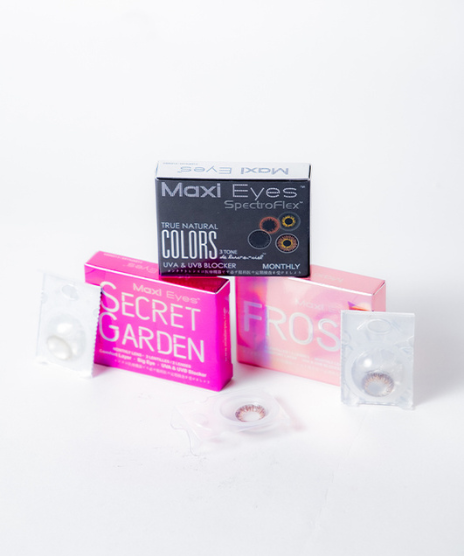
For a single beach day or a short pool session, daily disposable contact lenses are a common practical choice: put in a fresh pair for the day, swim and enjoy the water, then remove and discard them afterward rather than trying to reuse a pair that has been exposed to seawater or pool chemicals. If you have never worn contacts before, this is not something to try for the first time the morning of a trip. A proper contact lens fitting confirms your eyes can comfortably and safely wear contacts, and gets you fitted with the right lens curve and material before you rely on them anywhere near water.
One important safety note: contact lenses should not be worn while actually submerged in open water, pools, or the sea, since both freshwater and saltwater carry a real risk of eye infection when trapped against a contact lens. Daily contacts work well for getting ready, walking the beach, or activities where your eyes stay above the waterline, not for swimming with your eyes open underwater.
Option three: just go uncorrected, deliberately
For casual, low-prescription wearers, some people simply choose to swim without correction and accept softer vision for that stretch of the day, keeping glasses safely on a towel or in a dry bag until they are back on land. This is a perfectly reasonable choice for a low prescription and a casual pool day. It is a less practical one for higher prescriptions, diving, or any activity where clear vision underwater actually matters for safety, like assessing a reef or the depth of the water ahead.
What to do once you are back on dry land
Whichever route you take, rinse your regular glasses with clean fresh water if they were exposed to salt spray or sunscreen at any point during the day, and let them air dry rather than wiping them with a towel while sand or salt residue is still on the lens, since that is a common way lenses pick up fine scratches.
What we would tell you in store
If contacts are the right option for your beach days, ask about a contact lens fitting at your nearest Vision Express store before your next trip, not the morning you leave. If you would rather stick with glasses everywhere else and only need a plan for the water itself, bring in your prescription and we can point you toward the right specialty option and confirm your exact numbers. For your everyday pair, ask about Shamir Opulens Exact, made to your precise measurements, so it is ready and waiting the moment you are back out of the water. Every pair carries a 1-year warranty and free lifetime custom fitting and adjustment.


Leave a Comment