









What to bring to your eye test, and what to tell the optometrist
Most people arrive at an eye test with nothing, answer "it is just blurry" when asked what the problem is, and leave with a result that is technically correct and practically incomplete.
Ten minutes of preparation changes the outcome. Here is the list.
What to bring
- Every pair of glasses you currently use. Distance, reading, computer, prescription sunglasses, and the old pair in the drawer. The optometrist can read the prescription out of each lens, which gives them a history of how your eyes have changed — far more useful than a single measurement today
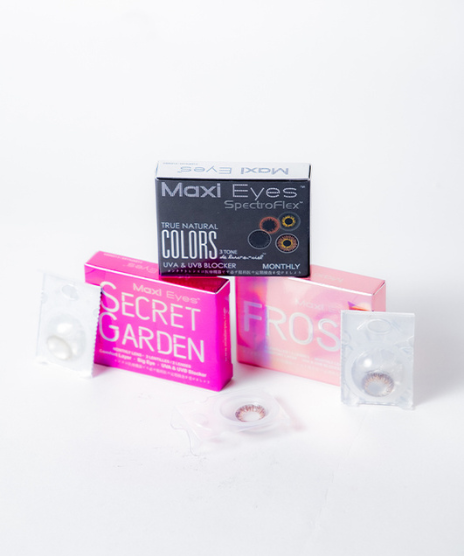
- Your contact lenses and their boxes, if you wear them. The box carries the power, base curve, diameter and brand. Ask when to stop wearing them before the appointment, because lenses can temporarily change the shape of the cornea
- Any previous prescription or eye report, including ones from an ophthalmologist
- Your medication list. Everything, including supplements. Several common medications affect the eyes or tear production
- Sunglasses. If your eyes are dilated you will be light-sensitive afterwards
- Your HMO card or company details, if you plan to use benefits. Check with your HMO and the store what is covered before you go — coverage varies by plan
- Someone to travel with, if there is any chance of dilation. Do not plan to drive yourself immediately after
What to tell them, unprompted
The case history is the first step of the exam and it shapes everything after it. Say these things even if nobody asks directly:
- What you do all day. Hours on screens, night shift, driving, riding, workshop work, fine detail work. The right correction for a BPO agent on dual monitors is not the right correction for someone who drives for a living
- The specific complaint, specifically. Not "blurry" — blurry near or far, one eye or both, all the time or at the end of the day, better or worse in bright light
- When it started, and whether it came on suddenly or gradually. Sudden matters
- Headaches, where they sit and when they come
- Double vision, even briefly. Always mention this
- Floaters or flashes, particularly new ones
- Your general health. Diabetes, high blood pressure, thyroid conditions, autoimmune conditions, pregnancy
- Family history. Glaucoma, retinal disease, macular degeneration and diabetes in close relatives all change how closely you should be monitored
- Any eye injury or eye surgery, however long ago — including LASIK, which changes how a prescription is interpreted
- What you disliked about your last glasses. This is the most underused sentence in the whole appointment. If the last pair gave you headaches, made floors look odd, or slid down your nose, say so. It changes both the prescription discussion and the frame recommendation
On the day
- Do not schedule it at the end of an exhausting day if you can help it. Tired eyes give a less representative result
- Skip heavy eye makeup, especially if the front of your eye is being examined
- Wear your glasses to the appointment rather than carrying them, so the team can see how they sit on your face
- Answer honestly during the refraction. "Which is clearer, one or two" has no wrong answer, and "they look the same" is genuinely useful information — guessing to seem decisive makes the result worse
Questions worth asking before you leave
- Has my prescription changed, and by how much?
- Do I have astigmatism, and how does it affect my lens choice?
- Do I need one pair or would two work better for my day?
- When should I come back?
- Is there anything you want monitored, and why?
Book a Vision7 eye test at your nearest Vision Express store
The first step of our seven-step comprehensive eye exam is case history taking, and it exists precisely so the six steps after it are aimed at your actual life rather than at an average one. Everything on the list above feeds into it.
Ask for Shamir Opulens Exact at the counter once your prescription is confirmed. It is made to your individual measurements rather than cut from a standard mould — so the accuracy you just spent an hour establishing in the exam room actually survives into the lens you wear.
If you need a pair the same day, ask about Opulens Advanced 1.60 — in stock and ready in 20 minutes.
Every pair comes with free lifetime ultrasonic cleaning, free lifetime custom fitting and adjustment, and a 1-year warranty.


Leave a Comment